Why Is My Cat Ignoring Their Toys? 9 Simple Ways to Spark Interest
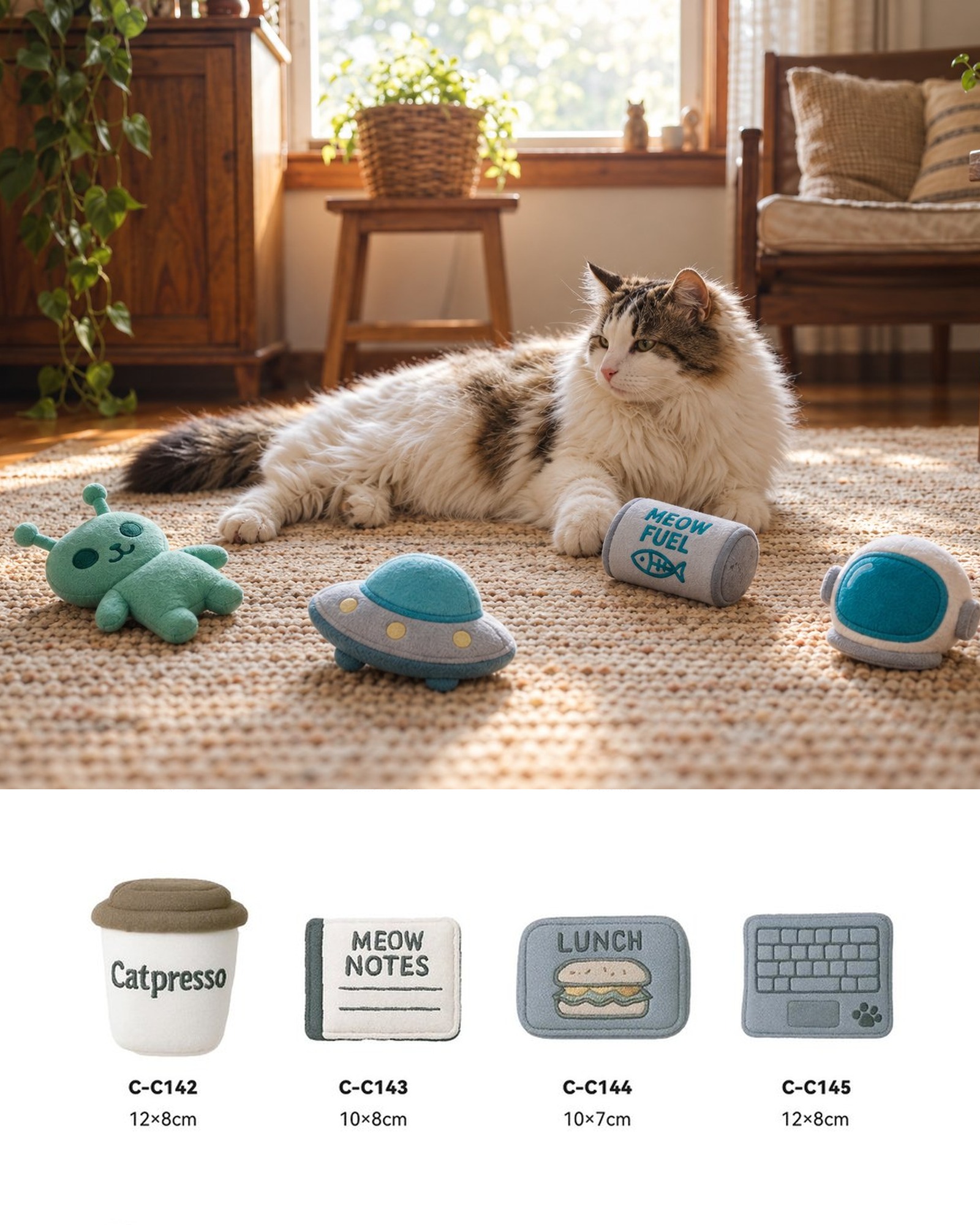
You picked out the toys, placed them on the floor, and waited for the fun to begin. Your cat took one look—and walked away.
Sound familiar? A new toy does not always lead to instant play. Sometimes, a different location, a little movement, or better timing can make all the difference. Your cat's preferences matter, too: what excites one cat may barely interest another.
Before you give up on that untouched toy, try these nine simple adjustments.
1. Rotate toys every few days
Toys can lose their appeal when they are always available. Instead of leaving the entire collection on the floor, keep a few within reach and put the rest away.
Every few days, swap in two or three different toys. Bringing a familiar toy back after a break may encourage your cat to investigate it again. If they have a favorite comfort toy, you can leave that one out.
2. Learn how your cat likes to play
Watch what catches your cat's attention. Do they chase something moving across the floor, leap after a feather, or investigate a soft rustling sound? Do they prefer carrying plush toys or grabbing and kicking them?
Use those clues to choose toys and movements they enjoy. Try one option at a time so you can see what gets a response. Some cats also show interest in catnip or silvervine, while others are less responsive.
Explore our full catalog for different textures, shapes, and ways to play.
3. Change the play location
Sometimes, the setting matters as much as the toy. A busy walkway or slippery floor may be less inviting than a quiet rug near a familiar chair.
Try playing in an area where your cat already seems comfortable. Move a toy along the edge of a rug or partly behind a corner so your cat can watch, stalk, and approach. Give them enough space and traction to move comfortably.
4. Choose a time when your cat is alert
A sleepy cat is unlikely to get excited just because a toy appears. Cats are often more active around dawn and dusk, but your own cat's routine is the best guide.
Look for moments when they are awake, exploring, or watching what is happening around them. Start with a short session and follow their interest rather than trying to keep them playing on a fixed schedule.
5. Make the toy move like prey
Leaving a toy on the floor gives your cat something to discover. Moving it gives them something to chase.
Drag a wand toy away from your cat, pause it behind a corner, or roll a ball across their path. Alternate small movements with pauses so they have time to watch and stalk. Avoid repeatedly pushing the toy toward their face.
Our teaser wands and ball toys offer different ways to bring movement into play. Supervise wand play and put strings and ribbons away afterward.
6. Refresh a familiar toy's scent
If your cat once loved a catnip toy but now ignores it, its scent may have faded.
For toys designed to be refilled, replace the old catnip according to the product instructions. You can also try storing a suitable plush toy in a sealed container with a little dried catnip, then shake off any loose material before offering it again.
Not every cat responds to catnip. Silvervine may be another option, but scent is only one way to encourage interest—movement and texture can matter just as much.
7. Experiment with size and texture
There is no single toy size that suits every cat or every type of play. Small, lightweight toys may appeal to cats that like batting and carrying, while longer plush toys can suit cats that prefer to hug and kick.
Texture can also make a difference. Try soft fabric, a textured surface, or a gentle crinkle and watch which one your cat returns to.
Choose toys that are too large to swallow, and replace any with damaged seams or loose parts.
8. Let your cat catch the toy
A good chase needs opportunities to catch something. During wand play, let your cat grab the toy regularly instead of keeping it just out of reach.
As the session winds down, slow the movement and allow a final catch. If your cat enjoys holding or kicking their "prey," offer a suitable plush toy and let them finish at their own pace.
9. Adapt to age—and notice changes
Play preferences can change over time. A kitten may enjoy frequent bursts of activity, while an older cat may prefer slower movements and toys they can reach without jumping.
Adjust the pace to your cat's comfort and interest. If a normally playful cat suddenly stops engaging, or you notice other changes in their behavior, contact your veterinarian rather than assuming they are simply bored.
Watch what holds their attention and build from there. Finding the right way to play often starts with noticing what your cat already enjoys.
Explore the toy range
Plush, balls, teasers and more — 300+ designs, samples available.
View Collections Email Sweety